


Chahal Retro Player
0.00.00 Reviews
App Specs
- Version
- 434
- Updated On
- License
- Free
- Downloads
- 10,000+
- Developer
- AbdullahDevolper
- Categories
- Libraries & Demo
- Platform
- Android
Screenshots
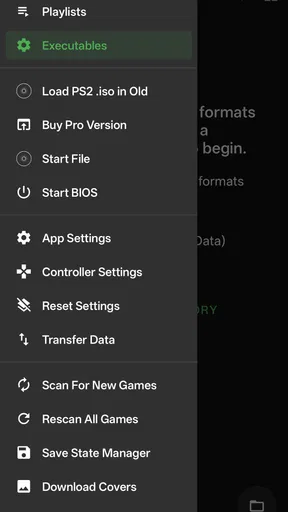
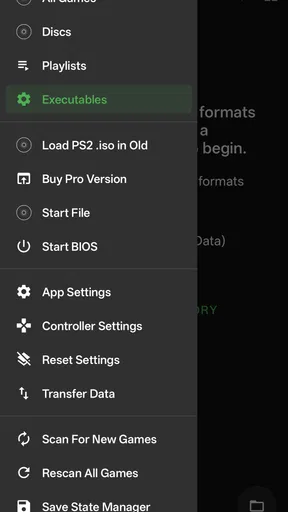
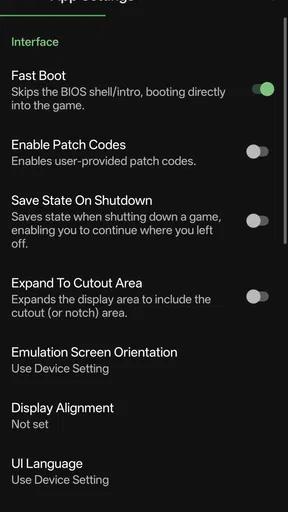
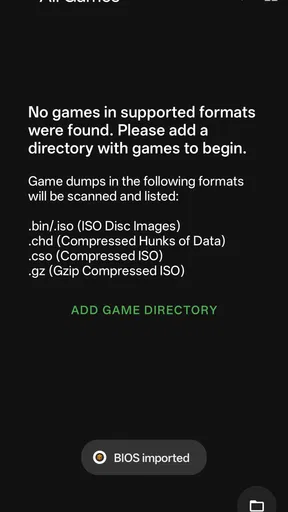
 Analysis by AppCompare
Retro gaming has a particular appeal when I want something simpler than a modern game: familiar-looking play, quick sessions, and no long onboarding. Chahal Retro Player is aimed at that mood, bringing retro games to an Android device. My main consideration is not just nostalgia, though; it is whether the app feels workable for people with different visual, motor, and situational needs. On that point, I would approach it as a potentially convenient option, while keeping expectations measured: its appeal is clear, but its practical accessibility depends on how comfortably you can use its controls and interface on your own device.
Getting oriented on a small screen
The name and purpose are straightforward, which helps set expectations before opening the app. Chahal Retro Player is a free Android app from AbdullahDevolper, listed in the Libraries & Demo category. It has over ten thousand installs and is rated for Everyone. It was released on August 16, 2026, and its current version is 434. Those details make it easy to identify, but they do not tell me how readable every screen or game will be in practice.
For a retro player, readability is more than text size. Older game visuals often rely on compact sprites, busy backgrounds, and small on-screen details. Even if the player itself is easy to recognize, the game being played may demand sustained visual attention. I would test a short session first, preferably with the phone at the distance and brightness I normally use, rather than assuming that a nostalgic style will automatically be comfortable.
A useful first step is to explore the interface before getting absorbed in a game. Notice whether the labels, icons, and selectable areas are easy to distinguish, and whether you can reliably return to the main screen. This small check matters because repeated navigation can become tiring if controls are crowded or visual cues are subtle. I would also avoid changing several phone display settings at once; adjusting one thing, such as text scaling or brightness, makes it easier to tell whether the change actually helps.
There is a trade-off here between a compact, familiar presentation and a roomy interface. A layout that leaves more screen area for play can make menus and controls feel smaller, while larger interface elements may reduce visible game space. If you prefer a clear, spacious layout above all else, compare the app with a modern emulator or retro-game collection that explicitly emphasizes larger menus and configurable display options. I would not choose this player solely on the promise of retro content if menu legibility is your deciding factor.
Controls, movement, and sensory comfort
Touch input can be convenient because it keeps everything on one device, but it is not equally comfortable for every player. A game that expects quick or repeated inputs may be harder to manage on a flat screen than on physical buttons. The important practical question is whether your fingers can reach the controls without blocking the part of the screen you need to see. Try holding the phone in your usual posture and playing briefly before committing to a longer session.
People with limited dexterity may find that small touch targets or sustained button presses make play tiring. That is a general concern with touchscreen retro play, not a claim that every game in this app has a particular control scheme. If you have access to a compatible physical controller and Android recognizes it, testing it could be worthwhile, but I would check support on the device rather than assume it. A controller may reduce finger strain while adding setup and carrying inconvenience.
Worth Reading Before You Choose

Flipboard Shows What News Apps Must Do Beyond the Feed

Switching to Android Auto Means Rethinking Your Driving Routine

Google Calendar Makes a Crowded Week Easier to Manage

Ludo King Makes the Most of the Minutes Between Plans

Baby Panda World Brings Quick Play to Modern Phones, but Its Game Library Feels Busy

ESPN’s Live Game View Makes Following Close Games Easier
Sensory comfort is personal, too. Pixel-heavy animation, rapid movement, contrast, or repeated visual effects can feel lively to one person and uncomfortable to another. Start with a short, low-pressure session and take a break if the screen feels tiring. If sound is part of your play, use the phone’s ordinary volume controls and consider whether playing quietly or with headphones suits your surroundings. I would not treat a retro look as inherently calmer: the visual style may be old-fashioned, but the pace of a game can still be intense.
One practical tip is to make a quick “comfort check” part of choosing a game: can you identify important elements, reach the controls, and keep your attention on the screen without awkwardly gripping the phone? If any answer is no, switching games or changing your posture is more sensible than trying to push through. That is especially useful for brief play during a commute or while waiting, when your hands and viewing angle may be less stable than at home.
Where it fits into an ordinary day
I can see the basic use case: a short break at home, a few minutes while waiting for an appointment, or a quiet moment when I want a game that feels less involved than a large modern release. Because the app is free, it is easy to consider without a purchase decision. Still, “free” does not tell you whether the experience will suit your habits, so I would start with a small trial rather than planning around it as a dependable daily gaming setup.
Context changes how usable a touchscreen player feels. On a crowded bus, one hand may be holding a rail, the screen may catch glare, and movement can make precise taps harder. At home, you can sit down, set the phone at a comfortable angle, and give the controls more attention. If you are sensitive to motion or visual strain, the home setting is the better place to learn how a game feels before trying it in a less controlled environment.
It may also suit someone who wants to introduce a friend or family member to retro-style play without first explaining a complex modern game. The Everyone age rating is reassuring for a broad audience, but it is not a guarantee that every person will find the interface or play comfortable. For a child or an older relative, I would sit together for the first session, help them locate the basic navigation, and see whether the on-screen layout is easy to manage independently afterward.
For someone using Android 8.0 or later, the listed minimum operating-system requirement makes the app relevant to a range of Android devices. That does not mean every phone will offer the same comfort: screen size, touch responsiveness, display settings, and the way a device is held all affect the experience. If you use a smaller handset, pay particular attention to control reach and whether the game remains legible without bringing the phone uncomfortably close.
How it compares, and what to check first
The usual alternatives are dedicated retro collections, standalone emulators, and modern games that borrow old-school visuals. A collection can be more convenient when you want a curated set of games in one place; an emulator may offer more flexibility for people who already know what they want to configure. A modern retro-inspired game can be easier to navigate or more polished, but it may not provide the same kind of classic-player experience. Chahal Retro Player is most appealing if you want to try a retro-focused Android app without paying upfront, rather than if you need an advanced setup with clearly documented accessibility controls.
Before settling in, I would check three things in a short session. First, make sure the menus are easy to read at your normal screen brightness. Second, see whether the controls are comfortable for your hands and whether you can pause or leave without fumbling. Third, notice how the visual pace affects you after a few minutes. These checks are more useful than assuming that all retro games behave alike, and they help you decide whether the app fits your needs before it becomes part of your routine.
The current version is 434, but a version number alone does not tell me what changed or whether a particular control issue has been addressed. I would keep the app updated through the usual Android route and retest any important comfort or navigation issue after an update. If a change makes the experience less usable, it is reasonable to pause and consider a different player rather than treating familiarity as a reason to tolerate friction.
Small habits that make a trial more useful
I would treat the first session as a practical test rather than trying to judge the whole experience in one sitting. Pick a time when you are not rushing, make sure the phone is stable, and try the interface before relying on it during a commute or while multitasking. That sequence helps separate an actual usability problem from difficulties caused by glare, poor posture, or being interrupted.
If you are choosing it for a shared device, let each person try the controls instead of assuming one setup will suit everyone. A family member who enjoys simple games may still prefer a different grip or a larger display. If a younger player will use it, agreeing on a comfortable stopping point is more practical than assuming short sessions will happen naturally. The app’s broad age rating can help with the initial decision, while the hands-on check tells you whether it suits the person using it.
Who may want another option
I would skip this app if you need clearly stated accessibility features, highly adjustable controls, or a reliably spacious interface before you install anything. In that case, a player that documents options such as control remapping, larger interface elements, or display adjustments would be a safer place to start. Those are useful criteria to look for in alternatives, not features I can promise here.
It may also be a poor fit if you cannot comfortably use touchscreen controls, if small game imagery is difficult for you to follow, or if you need a game experience that works well in a noisy or unstable setting. A physical-button device or a game designed around simpler, less time-sensitive input may serve you better. The right choice depends on your specific needs, so I would treat a brief hands-on test as essential rather than relying on the retro theme to predict comfort.
A measured inclusive verdict
Chahal Retro Player has a clear, approachable purpose: it gives Android users a free way to explore retro-style play. I like that it can fit short sessions and does not require a purchase to try. Its strongest potential is for someone who already enjoys touch gaming and wants a simple change of pace. Its main limitation, from an inclusive-use perspective, is that a retro player’s usefulness depends heavily on the readability and input demands of the particular session.
My recommendation is to try it in a comfortable setting, check the menus and controls for yourself, and stop if the visual or physical effort outweighs the fun. That approach lets you judge the app on the details that matter in daily use instead of assuming it will work equally well for everyone. If it feels clear and manageable on your phone, it could be a pleasant pocket-sized way to revisit retro play; if not, a more configurable alternative is the better choice.
Pros
- Retro-inspired interface gives the player a distinctive
- nostalgic look.
- Playback controls are simple and easy to understand.
- Useful for listeners who prefer a classic music-player style.
- Compact design keeps the focus on the music and controls.
- A dedicated player can be more convenient than browsing music in a larger app.
Cons
- Its retro appearance may feel dated to users who prefer modern designs.
- The experience depends on having compatible audio files available.
- It may lack the discovery and curated playlists found in streaming services.
- Advanced library management options may be limited.
- Check device compatibility and app permissions before installing.
FAQs for Chahal Retro Player
What is Chahal Retro Player?
Chahal Retro Player is presented as a retro-style music player for Android, aimed at people who enjoy a classic look while listening to audio stored on their device. Its design and available controls may vary by version, so check the app listing and screenshots for the current feature set. It is best to confirm that it supports your preferred audio formats before installing.
Does Chahal Retro Player stream music or play local audio files?
The name and retro-player positioning suggest an app for playing music, but that alone does not confirm whether it streams tracks, plays files stored on your phone, or offers both options. Before downloading, review its store description and permissions to understand how it accesses audio. If you mainly want offline playback, check that it can find and play music in the folders you use.
Is Chahal Retro Player free to download, and does it include ads or in-app purchases?
Pricing, advertising, and purchase options can change between releases and may differ by platform or region. Check the Google Play or Apple App Store listing for the latest details, including whether the app is free, contains ads, or offers paid features. Also review recent user feedback, since it can help clarify how intrusive advertising is during ordinary listening.
What permissions might Chahal Retro Player need?
A music player may request access to audio files or media on your device so it can build a library and play tracks. The exact permissions required by Chahal Retro Player depend on its current version and operating system. Read the permission prompts carefully, and avoid granting access that does not seem necessary for the features you intend to use.
Is Chahal Retro Player compatible with my phone, and is it safe to install?
Compatibility depends on the app’s current minimum operating-system requirements, which can change as updates are released. Check the official store listing for your device before installing. For a safer download, use the Google Play Store or Apple App Store when the app is available there, inspect the developer information and recent reviews, and avoid unofficial files from unfamiliar websites.


